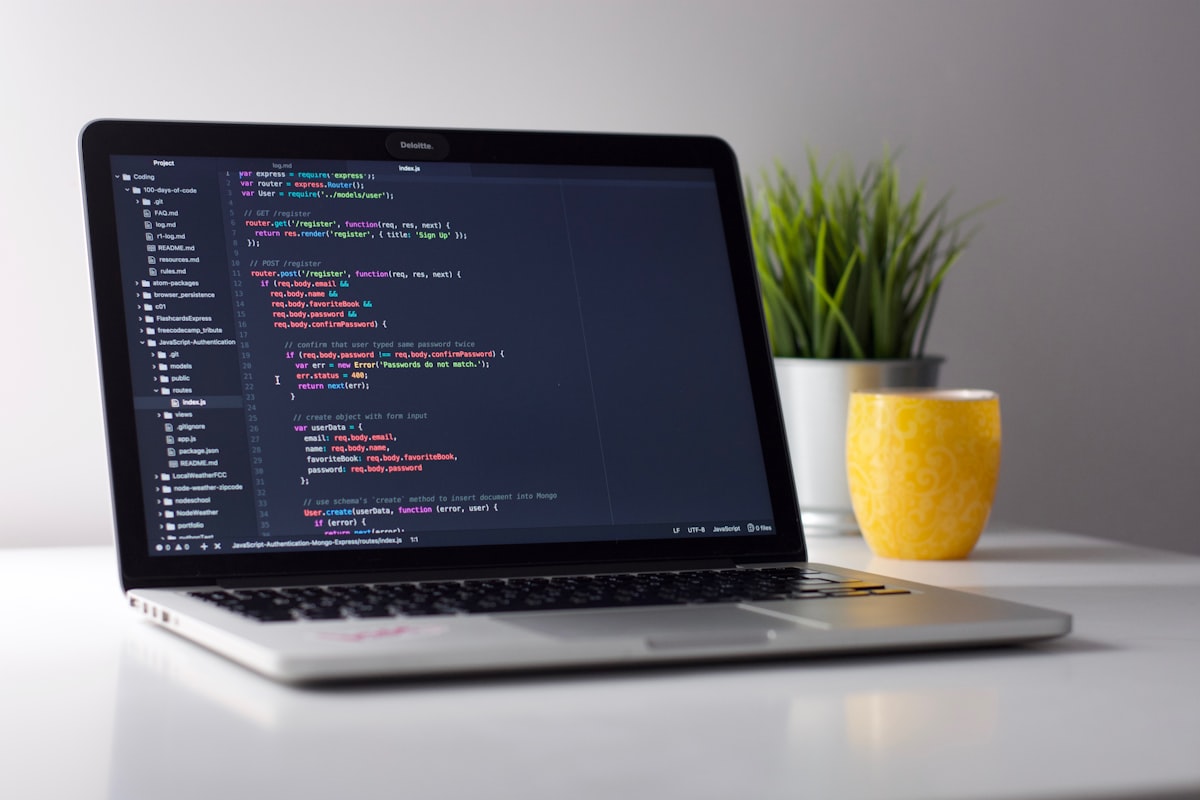
What a College Laptop Actually Needs to Do
Marketing wants you to believe you need the latest ultrabook with a 4K OLED display and 32GB of RAM to take notes in lectures. You don’t. A college laptop needs to handle web browsing with a dozen tabs open, word processing and spreadsheets, video streaming, video calls for remote classes, and whatever your specific major requires. For most liberal arts, business, and social science students, that’s a surprisingly low bar. Engineering, computer science, architecture, and film students have heavier requirements — but even those don’t necessarily demand a premium machine.
Non-Negotiable Specs for 2026
Some specs matter more than others for student use. An SSD is mandatory — no spinning hard drives. Even a 256GB SSD transforms the daily experience compared to a 1TB HDD. Our storage comparison guide explains why in detail. Aim for 8GB of RAM minimum, though 16GB is increasingly worth the upgrade as browsers and web apps consume more memory. Any current-generation processor from Intel (12th gen or newer) or AMD (Ryzen 5000 series or newer) handles student workloads comfortably. Battery life matters more than raw performance for most students — look for 8+ hours of real-world use to get through a full day of classes without hunting for outlets.

The $300-$500 Sweet Spot
The best value for most students falls in the $300 to $500 range. At this price point, you’re looking at solid options from Acer (Aspire and Swift lines), Lenovo (IdeaPad series), and HP (Pavilion). Chromebooks deserve serious consideration if your coursework is entirely web-based — a $300 Chromebook with a good keyboard and display handles Google Workspace, web research, and video calls as well as a $700 Windows laptop. Just make sure your program doesn’t require specific Windows or Mac software before committing to Chrome OS.
Display, Keyboard, and Build Quality
You’ll stare at this screen for four years, so resolution and panel quality matter. Minimum 1080p (1920×1080) — anything lower looks noticeably blurry on modern screens. IPS panels offer better color accuracy and viewing angles than TN panels, which wash out when viewed from the side. For the keyboard, spend a few minutes typing on the floor model before buying if possible — keyboard feel varies wildly between brands and even models, and a bad keyboard makes every assignment miserable. Weight should stay under 4 pounds for comfortable daily carrying. A metal chassis holds up better over four years than plastic, but plastic at $400 beats aluminum at $900 for most budgets.
Upgradability: Plan for Year Three
A laptop that lets you upgrade RAM and storage after purchase extends its useful life significantly. Many budget laptops solder RAM to the motherboard, making future upgrades impossible. Check teardown videos or manufacturer specs before buying. A machine with one user-accessible RAM slot and an open M.2 SSD slot lets you add memory and storage in year two or three when needs change, for far less than buying a new laptop. Understanding how much RAM you actually need helps you make smart upgrade decisions when the time comes.
Refurbished and Open-Box Options
Manufacturer-refurbished laptops from outlet stores (Dell Outlet, Lenovo Outlet, Apple Refurbished) offer 15-30% discounts on machines that have been inspected, repaired if needed, and re-warrantied. Open-box deals from major retailers are often machines returned within the return window with original packaging opened but the unit barely used. Both routes can get you a $600 laptop for $400 or a $1,000 MacBook Air for $750. Just verify the warranty coverage before purchasing — it should be at least one year.
The best student laptop is the one that does what you need, lasts through graduation, and leaves money in your account for everything else college throws at you. Start with your actual requirements, not the tech press’s idea of what’s exciting.